
Table of Contents
- Does Painting Increase Home Value?
- Return on Investment for Interior and Exterior Painting
- Exterior Paint Preparation for Older Homes
- Best Exterior Paint Colors for Resale
- Painting a House Before Selling: Timeline and Strategy
- Factors That Affect Painting ROI on Older Properties
- Creating a Property Value Decision Framework
- Frequently Asked Questions
Last Updated: October 14, 2026
Does Painting Increase Home Value?
Yes, painting older homes for property value increases home value, but the return depends on the property’s condition, age, and local market. For older homes, a fresh coat can transform dated appearances and boost buyer appeal.
First impressions matter enormously.
We help homeowners maximize property value through strategic painting projects. The real value of painting older homes for property value comes from addressing what buyers see and feel when they enter.
Return on Investment for Interior and Exterior Painting
Interior and exterior painting deliver different ROI profiles, so understanding them helps you prioritize projects for your situation.
Interior painting typically recoupes 50-80% of project costs at resale. Fresh, neutral colors make spaces feel larger, cleaner, and more inviting.
Exterior painting generally delivers stronger ROI, often 75-100% or more. On older homes, exterior paint also protects against weather damage and costly repairs.
Exterior Paint Preparation for Older Homes
Preparation is the biggest variable in an older-home paint project, and where most of the money and risk live. A newer build may need only a wash and scuff-sand; an older home can need weeks of scraping, patching, and substrate repair. Skipping that work is the fastest way to watch a fresh paint job fail within a season.
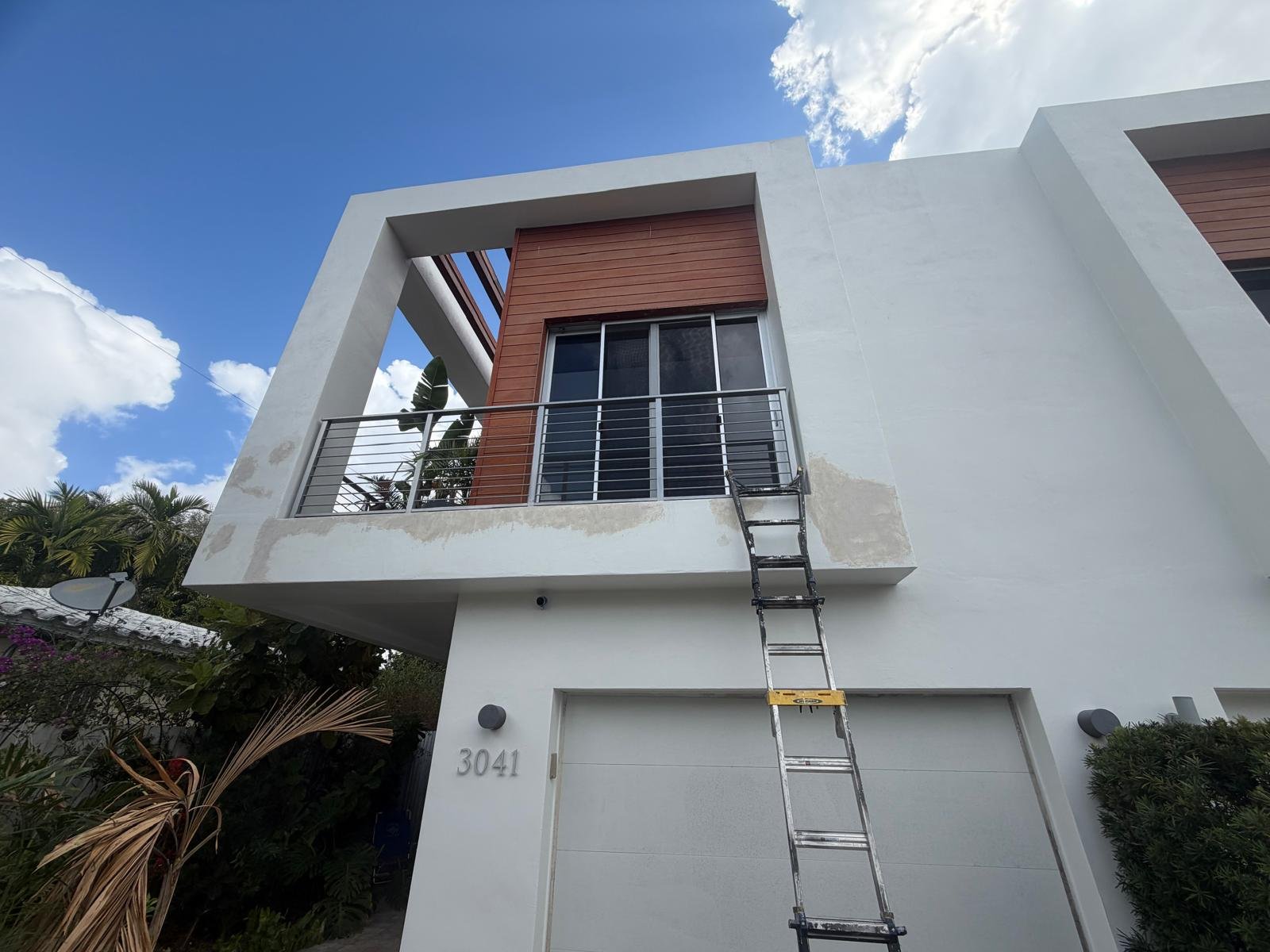
Professional painter scraping weathered siding to prepare for painting older homes for property value improvement.
Lead Paint and Hazardous Material Precautions
If your home was built before 1978, assume lead-based paint is present until testing says otherwise (the EPA). The EPA’s Renovation, Repair and Painting (RRP) Rule requires firms disturbing painted surfaces in pre-1978 housing to be certified and follow lead-safe practices: containment, dust control, prohibited practices (like open-flame burning or large-scale dry scraping), and specific cleanup and disposal. This is not optional, disturbing lead paint without containment spreads dust especially harmful to children and pregnant women.
A few practical points homeowners often miss:
- Testing comes first. A certified inspector or risk assessor can test painted surfaces, or you can use an EPA-recognized test kit. Knowing where lead is present tells you which surfaces can be scraped and which must be wet-sanded, chemically stripped, or encapsulated.
- Encapsulation vs. removal. A lead-safe encapsulant coating can sometimes replace full removal, but it must be compatible with the topcoat system and applied per the manufacturer’s instructions.
- Disposal rules apply. Debris from a lead-safe job is not ordinary trash; it must be contained and disposed of per applicable rules.
Repair and Preparation Costs Before Painting
On older homes, preparation is frequently the largest line item, often more than paint and labor combined. Paint is only as good as the surface under it, and rot, moisture, and failing substrates telegraph through a new coat within months.
Common preparation work on older homes includes:
- Scraping and feather-sanding loose or peeling paint
- Repairing or replacing rotted wood, sills, trim, fascia, and siding edges are the usual suspects
- Recaulking gaps around trim, windows, and penetrations
A few cost drivers to plan around:
- Substrate type. Wood siding, masonry, stucco, and fiber cement each require different prep and primers. Masonry often needs masonry-specific coatings; bare wood needs a penetrating or blocking primer.
- Extent of failure. A home with isolated peeling is a different project than one with widespread adhesion failure. The latter may require stripping to bare substrate.
- Access and height. Two-story homes, steep rooflines, and tight lot lines add scaffolding, lift, or ladder time.
Prep commonly adds a meaningful percentage on top of the paint-and-labor estimate, sometimes a third or more on a home with significant deferred maintenance. The trade-off is simple: pay for prep now, or pay for a repaint sooner.
Best Exterior Paint Colors for Resale
Color choice directly impacts buyer appeal and property value, and neutral colors consistently outperform bold choices.
Neutral exterior colors that maximize resale value include soft whites, warm grays, and muted earth tones.
Avoid highly saturated or trendy colors. Bright blues, deep greens, or unusual palettes limit your buyer pool, what feels personal to you may feel risky to a buyer.
Regional considerations matter. In warmer climates, lighter colors reflect heat and reduce cooling costs, while darker colors fade faster under intense sun.
Painting a House Before Selling: Timeline and Strategy
Timing your painting project correctly maximizes impact without scheduling conflicts or delays.
Start 4-8 weeks before listing. This lets paint fully cure and off-gas, eliminating paint smell during showings.
Prioritize exterior work first. Curb appeal drives buyer interest, so complete exterior painting, repairs, and landscaping before touching the interior.
Interior work follows exterior completion. Focus on high-impact areas: living rooms, kitchens, primary bedrooms, and bathrooms.
Factors That Affect Painting ROI on Older Properties
Several variables determine whether painting delivers strong returns on older homes.
Home condition is the primary factor.
Local market conditions influence ROI. In competitive markets, fresh paint justifies higher asking prices; in slower markets, it’s expected but doesn’t command a premium.
Buyer demographics matter.
Paint quality and finish affect longevity and perceived value.
Climate and exposure determine how long paint lasts.
Creating a Property Value Decision Framework
A decision framework is only useful if it tells you what to do first, what to skip, and how to sanity-check the payoff. For an older home, that means weighing condition, preservation constraints, and local comps, not just picking a color.
Step 1: Diagnose Before You Decide
Walk the property and separate cosmetic problems from structural ones. Paint fixes the first, not the second.
- Cosmetic: faded or chalky siding, dated interior colors, scuffed trim, minor caulk gaps.
- Structural or systemic: rot, active moisture intrusion, foundation movement, roof failure, failing plaster over lath.
If structural issues are present, address them first, buyers and inspectors will find them and negotiate down regardless of how good the paint looks.
Step 2: Check Preservation and Historic Constraints
Older homes, especially in designated historic districts or with period details, may be subject to preservation rules or design review, so confirm whether approvals are required before committing to a color or coating system. Even outside a formal district, period-appropriate palettes hold buyer appeal better than a contemporary scheme slapped onto a Victorian or Craftsman. The goal is to update appearance without erasing the character buyers are paying for.
Step 3: Estimate Likely Value Impact From Local Comps
There is no universal percentage. The honest way to estimate impact is to look at what has actually sold nearby.
- Pull recent sales of comparable older homes in your area.
- Note which ones were described as “move-in ready,” “freshly painted,” or “well maintained”, and how their sale prices and days-on-market compared to homes that were not.
- Talk to a local real estate agent who works in your neighborhood. They can tell you whether fresh paint is a differentiator in your price band or simply table stakes.
That’s the difference between a guess and an estimate. A competitive market may reward fresh paint with faster sales rather than a higher price; a slower market may treat it as expected. Local data tells you which.
Step 4: Get Quotes That Separate Prep From Paint
Ask each contractor to break the estimate into prep, materials, and labor, a lump sum hides the variable that matters most on an older home. Compare quotes on prep scope, not just total; the cheapest bid is often the one that plans to skip the work that makes the job last.
Step 5: Prioritize by Impact and Timeline
ROI ranking for older homes:
- Exterior prep and paint (highest curb-appeal and protection impact)
- Interior paint in high-traffic areas (kitchen, living room, primary bedroom)
- Accent walls or specialty finishes (lower priority unless they match buyer expectations)
Timeline rule of thumb:
- 6+ months to sale: full exterior and interior scope makes sense; paint has time to cure and settle.
- 3-6 months: prioritize exterior and the highest-visibility interior rooms.
- Less than 3 months: focus on exterior curb appeal and touch-ups; a full repaint may not be worth the disruption.
|
Decision Factor |
High Priority |
Lower Priority |
Skip |
|---|---|---|---|
|
Exterior condition |
Peeling, faded, worn |
Slightly dated |
Recently painted |
|
Interior colors |
Dark, dated, bold |
Neutral but tired |
Already neutral |
|
Time to sale |
6+ months |
3-6 months |
Less than 3 months |
|
Budget available |
Sufficient for quality work |
Limited funds |
Minimal budget |
|
Structural issues |
None identified |
Minor issues |
Major problems present |
|
Preservation rules |
None apply |
Minor review |
Strict design review |
Step 6: Decide With the Whole Picture
Use the framework to answer one question: will painting move this home closer to what buyers in this market expect, at a cost justified by the likely sale outcome? If yes, sequence the work, exterior first, then high-impact interiors, and budget prep as its own line. If structural issues dominate, put the paint budget toward those repairs first.
This framework helps you allocate improvement budget strategically. Details Paint Co works with homeowners to identify which painting projects deliver the strongest returns for their property and timeline.
Frequently Asked Questions
How much does painting a house raise home value?
Painting typically increases home value by improving curb appeal and buyer perception rather than adding direct construction value. Interior painting often returns 50-80% of project cost at resale, while exterior painting can return 50-100% depending on condition, color choices, and local market conditions. The actual value increase depends on your home’s current condition, the quality of the paint job, and what comparable homes in your area are selling for.
Does painting increase home value on older homes specifically?
Yes, but with important caveats. Painting older homes can significantly boost property value by addressing dated appearances and worn surfaces that deter buyers. However, if underlying issues like rotted wood, structural damage, or failed caulking exist, painting alone won’t solve them. Proper preparation and repair before painting is essential—this investment upfront protects long-term value. Many older homes benefit most from exterior painting combined with strategic repairs that restore structural integrity.
What exterior paint colors are best for resale value?
Neutral colors consistently outperform bold choices for resale appeal. Classic options include soft whites, warm grays, greiges, and muted earth tones that complement most architectural styles. Avoid trendy or highly saturated colors that may limit buyer appeal. Consider your home’s style, roof color, and landscape when selecting. Professional color consultation helps ensure your choice enhances curb appeal without alienating potential buyers who prefer traditional aesthetics.
Is painting a house before selling worth the cost?
Painting before selling is often worthwhile, especially if your home shows wear, has dated colors, or has scuffs and marks. Fresh paint creates a positive first impression and can reduce time on market. However, the ROI depends on your sale price, local market conditions, and how much the home needs preparation work. If extensive repairs are required before painting, prioritize those first. A professional painter can help you evaluate whether painting alone will move the needle or if other improvements are needed.
What should I know about lead paint when painting older homes?
Homes built before 1978 may contain lead-based paint, which poses health risks if disturbed. Federal law requires disclosure and risk assessment before renovation work. Lead paint removal or encapsulation must follow EPA RRP (Renovation, Repair, and Painting) Rule guidelines and be performed by certified professionals. Improper handling can spread lead dust and contaminate your home. Always hire licensed, insured contractors trained in lead-safe practices when painting pre-1978 homes.
How much does exterior paint preparation cost for older homes?
Preparation costs vary widely based on the home’s condition. Simple pressure washing and caulking might cost $500–$2,000, while extensive surface repair, wood replacement, and sanding can exceed $5,000. Older homes often need more prep because weathering, rot, and failed caulking are common. Request a detailed estimate that breaks down prep work separately from painting. Quality preparation protects your investment and ensures paint adheres properly for lasting durability.
How does home condition affect the value of a painting project?
A well-maintained home with minor cosmetic wear sees strong ROI from painting alone. A home with structural damage, rotted trim, or failing exterior systems will see limited value gain unless those issues are addressed first. Buyers conducting inspections will identify underlying problems that paint cannot hide. Assess your home’s overall condition before investing in painting. Professional painters can identify structural issues during prep work and recommend repairs that protect long-term property value.