
Table of Contents
- How Exterior Paint Protects Your Home From Weather Damage
- Signs a House Needs Exterior Painting
- The Connection Between Fresh Paint and Home Value
- Best Exterior Paint for Weather Protection and Durability
- How Often to Paint a House Exterior
- Exterior House Painting Preparation: A Practical Checklist
- Common Exterior Paint Failures and When Paint Alone Isn’t Enough
- Frequently Asked Questions
Last Updated: October 21, 2026
How Exterior Paint Protects Your Home From Weather Damage
Protecting home value with exterior paint starts with understanding paint as your home’s first line of defense, not a cosmetic layer, but a barrier shielding structural materials from the elements.
Paint seals wood, masonry, and siding against water. When moisture penetrates unpainted or worn surfaces, it causes rot, mold, and structural damage that costs thousands to repair.
Here’s what happens without it:
- Water seeps into bare wood and causes rot
- UV rays fade and degrade material surfaces
- Freeze-thaw cycles crack and peel unprotected surfaces
- Salt air corrodes metal and masonry
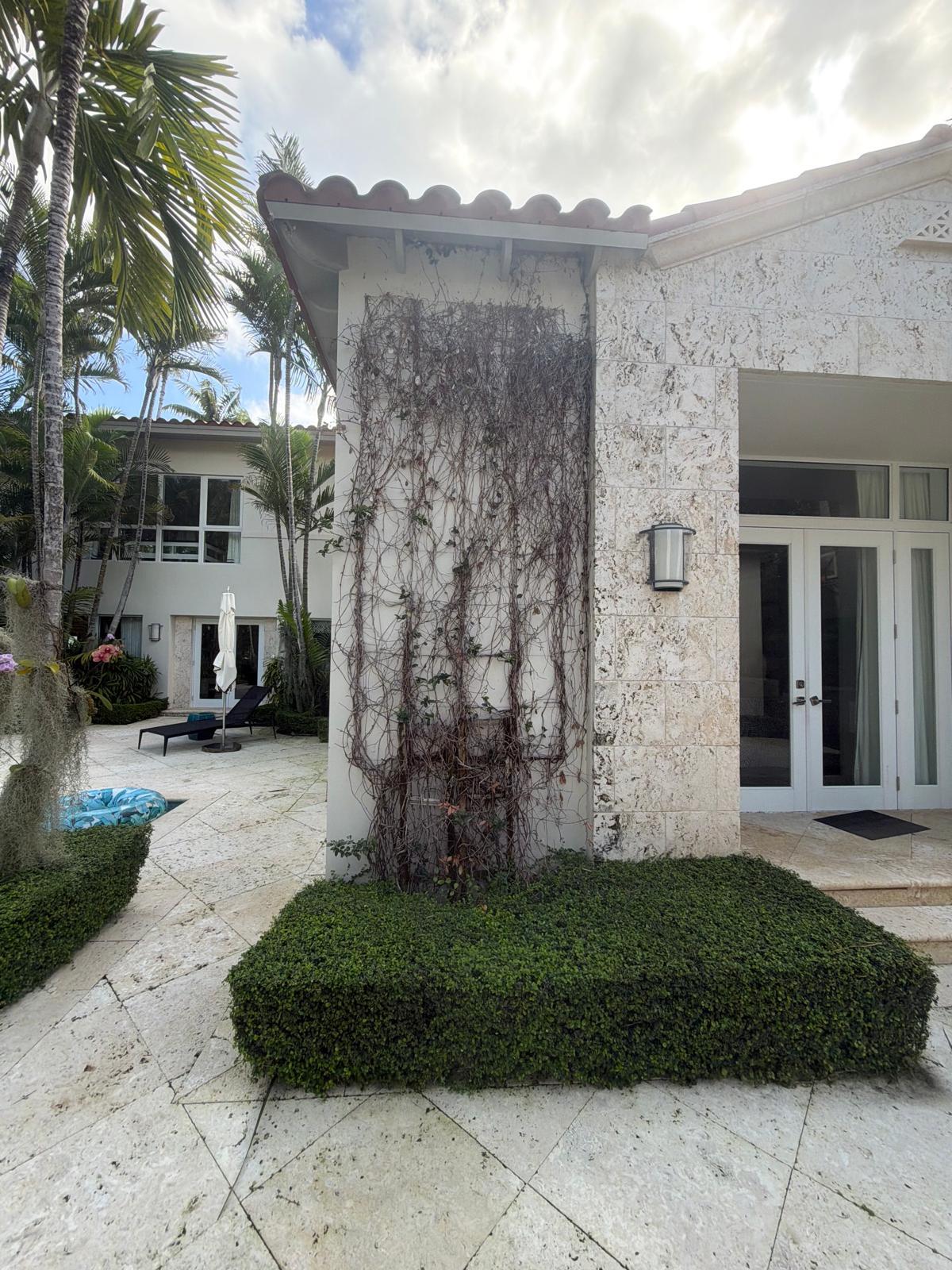
Diagram showing the process of protecting home value with exterior paint by sealing weathered wooden siding.
The best exterior paint for weather protection contains UV inhibitors and mildew-resistant additives. We recommend formulations matched to your climate and substrate, what works in one region may fail in another.
Paint also prevents wood rot by blocking moisture; once rot starts it spreads fast and compromises structural integrity.
Signs a House Needs Exterior Painting
Recognizing these signs early prevents expensive damage.
Visible peeling or cracking paint is the clearest signal, failed paint can no longer protect the surface, and peeling exposes wood to moisture within days.
Fading color means UV damage is breaking down the paint’s binders, weakening it before it peels.
Chalky residue on your hand means the paint is oxidizing and losing its protective properties.
Wood that feels soft or spongy indicates moisture damage has already started. This requires immediate attention.
Mold or mildew growth suggests moisture is trapped behind the paint; the surface must be cleaned and treated before repainting.
Visible rust on metal trim or hardware means corrosion is underway, a sign of paint failure.
Most homes need exterior repainting every 5-10 years depending on climate, paint quality, and sun exposure; coastal areas may need it more often. We can assess your situation during a free consultation.
The Connection Between Fresh Paint and Home Value
Protecting home value with exterior paint is not just a curb-appeal talking point. Paint condition shows up in three concrete places: the appraiser’s condition rating, the buyer’s repair-credit request, and days-on-market.
Appraisal condition ratings. Fannie Mae and Freddie Mac appraisal forms (Form 1004) require the appraiser to rate condition as C1 through C6, where C1 is new construction and C6 is severe deferred maintenance.
Buyer repair credits and negotiation. Buyers routinely request credits for exterior painting after inspection, often at or above estimated repainting costs plus a contingency for rot found underneath. Visibly failing paint signals deferred maintenance and invites broader inspection scrutiny; painting before listing removes that negotiating lever.
Realistic cost ranges. The biggest cost drivers are surface preparation, rot repair, and access (two-story walls, steep rooflines). A low bid that skips preparation is a different scope of work, not a comparable price.
ROI assumptions, qualified. Industry cost-versus-value data has historically shown exterior painting among the higher-return exterior projects, though the exact percentage varies by market, price tier, and workmanship. Treat any single ROI percentage as a planning assumption, not a guarantee.
Maintenance intervals and lifetime cost. Most homes need repainting every 5 to 10 years, shorter in high-UV, humid, or coastal exposures.
What buyers actually see. Agents consistently report that a well-maintained exterior signals care and reduces perceived risk, while peeling paint suggests neglect and hidden problems. The effect is strongest at entry and mid-price tiers, where buyers are sensitive to immediate repair costs, and weaker at the luxury tier, knowing your price tier helps you decide how much to invest in cosmetic versus protective painting.
Where paint stops adding value. Paint cannot fix structural problems: rotted wood must be replaced and water entering through failed caulk or flashing must be sealed.
Best Exterior Paint for Weather Protection and Durability
Not all exterior paint performs equally. Climate, substrate, sun exposure, and finish determine whether the coating protects your investment or fails within a few seasons. The table below summarizes practical starting points most contractors use, a framework, not a substitute for a site-specific assessment.
|
Substrate / Condition |
Recommended Coating |
Typical Sheen |
Why It Works |
|---|---|---|---|
|
Wood siding and trim |
100% acrylic latex |
Satin or semi-gloss |
Flexible film moves with wood expansion and contraction; resists cracking |
|
Masonry, stucco, concrete |
Acrylic masonry coating (breathable) |
Flat or low-sheen |
Allows interior moisture vapor to escape while blocking liquid water |
|
Metal trim, gutters, railings |
Direct-to-metal (DTM) acrylic or alkyd |
Semi-gloss |
Flexes with thermal movement; resists corrosion |
|
High-UV exposures (south/west walls) |
Acrylic with UV inhibitors and light-stable pigments |
Satin |
Slows binder degradation and color fade |
|
Humid or shaded areas |
Acrylic with mildewcide |
Satin or semi-gloss |
Inhibits mold and mildew growth on the film surface |
Match the sheen to the job. Flat finishes hide imperfections but collect dirt and chalk. Satin is the most common exterior choice, balancing cleanability with a slight sheen that resists sticking dirt. Semi-gloss and gloss are easier to wash and preferred for trim, doors, and high-touch areas, but highlight substrate flaws.
Read the label for the resin, not just the brand. “100% acrylic” indicates a flexible binder that performs well on wood and masonry; “vinyl acrylic” (labeled “acrylic” without the 100% claim) is a lower-cost blend that may chalk faster.
VOC and regulatory considerations. Low-VOC and zero-VOC exterior paints are widely available and are required in some states for certain applications under federal and state air-quality rules. For homes built before 1978, exterior surfaces may contain lead-based paint; disturbing it requires lead-safe work practices under the EPA’s Renovation, Repair, and Painting (RRP) Rule (the EPA). Always test or assume lead is present before scraping or power washing older siding. EPA lead-safe renovation guidance
Premium versus budget: what the extra money buys. Premium exterior paints carry longer warranties (often 10 to 15 years versus 3 to 5 for economy lines) and use more UV-stable pigments and higher-grade binders, commonly lasting two to three years longer between repaints and offsetting the higher per-gallon price over a full cycle.
Primers are not optional on bare or repaired surfaces. Bare wood, new siding, patched masonry, and bare metal all need a substrate-specific primer, which seals the surface, improves adhesion, and blocks tannin or stain bleed-through. On sound previously painted surfaces, primer is often unnecessary, though a bonding primer may be needed over glossy or chalky old coatings.
Climate and exposure still drive the final call. In hot, sunny regions, prioritize UV-stable pigments and lighter heat-reflecting colors; in humid or coastal areas, mildewcides and corrosion-resistant coatings for metal; in freeze-thaw regions, flexibility, because rigid films crack as substrates move.
How Often to Paint a House Exterior
The answer depends on climate, paint quality, and sun exposure. Most homes need exterior painting every 5-10 years.
Hot, sunny climates with intense UV need repainting every 5-7 years; sun degrades paint faster than anything else.
Humid, coastal areas may need painting every 4-6 years because salt air and moisture accelerate paint failure.
Temperate climates with moderate sun and humidity can go 7-10 years between paintings with high-quality paint.
Shaded areas last longer than sun-exposed sides, the north side may still look good while the south side is failing.
Paint quality matters significantly. Premium exterior paint lasts years longer than budget paint.
Inspect annually for peeling, cracking, or chalking, and address small problems before they become big ones.
Exterior House Painting Preparation: A Practical Checklist
Proper preparation determines whether your paint protects your home or fails within a few years. Most paint failures start with poor prep.
Before you start, inspect the surface:
- Check for wood rot by pressing a screwdriver into wood, soft spots indicate rot
- Look for loose or peeling paint
- Identify mold or mildew growth
- Check caulk condition around windows and trim
- Inspect for gaps where water can enter
Clean the surface thoroughly:
- Power wash at appropriate pressure (too high damages wood)
- Remove loose paint with a scraper
- Clean mold and mildew with appropriate cleaner
- Allow surface to dry completely (24-48 hours minimum)
Repair damaged areas:
- Replace rotted wood sections
- Fill gaps and cracks with quality caulk
- Repair damaged trim or siding
- Replace deteriorated caulk around windows and doors
Protect areas you don’t want painted:
- Tape off windows, fixtures, and landscaping
- Cover plants and outdoor furniture
- Lay drop cloths to protect walkways and patios
Prime if necessary:
- Use primer on bare wood or new repairs
- Prime over stains or discoloration
- Skip primer only if painting over existing paint in good condition
Paint cannot adhere to dirty, wet, or damaged surfaces, which is why professional painters spend significant time on prep.
We follow a strict preparation protocol.
Common Exterior Paint Failures and When Paint Alone Isn’t Enough
Sometimes paint fails even when applied correctly. Understanding why helps you avoid throwing money at the wrong solution.
Peeling paint usually indicates moisture behind the film. If wood is damp when painted, moisture gets trapped and causes adhesion failure. The fix: stop the moisture source, not just repaint.
Blistering happens when moisture vaporizes under the film. Repainting without fixing the moisture problem means the new paint will blister too.
Chalking is normal paint oxidation. This alone doesn’t require repainting immediately, it just means the paint is aging. Power wash and repaint when chalking becomes severe.
Cracking and alligatoring occurs when paint becomes rigid and the substrate moves underneath, often from low-quality paint or too-thick application; scrape off failed paint and use flexible, quality paint.
Mold returning after painting means the moisture problem wasn’t solved. Paint doesn’t kill mold, it just covers it. Clean and treat mold, then address moisture before repainting.
When paint alone isn’t enough:
Paint cannot fix structural problems: rotted wood must be replaced, gaps and damaged caulk sealed, and clogged gutters fixed, paint won’t stop rot, water intrusion, or drainage issues.
Protecting home value with exterior paint works only when the underlying structure is sound.
Professional painters can identify problems paint alone won’t solve. We assess your home’s condition and recommend the right approach, painting, repairs, or both.
Protecting your home’s exterior means more than picking a color. If you’re unsure whether your home needs painting or what preparation is required, consult the EPA’s guidance on lead-safe painting practices for older homes to understand safety requirements, then reach out to professional painting services for a free consultation.
Frequently Asked Questions
How does exterior paint protect a home?
Exterior paint creates a protective barrier against UV rays, moisture, and weather elements. It prevents water from seeping into wood and masonry, which stops rot, mold, and structural damage. Quality paint also shields your siding from sun exposure that causes fading and deterioration. Without this protective coating, your home’s exterior materials degrade much faster, leading to costly repairs and reduced property value.
How often should you repaint a house exterior?
Most homes need exterior repainting every 5-10 years, depending on climate, paint quality, and surface condition. Homes in areas with harsh sun exposure or high moisture may need repainting more frequently. Regular inspections help you catch peeling or fading early. Repainting on schedule prevents water damage, wood rot, and the need for more expensive structural repairs down the line.
Can exterior painting help preserve home value?
Yes. A fresh coat of quality exterior paint significantly impacts curb appeal and buyer perception. Peeling, faded, or damaged exterior paint signals poor maintenance and can reduce home value by thousands of dollars. Buyers view a well-maintained exterior as evidence of overall property care. Professional exterior painting protects your investment and maintains resale value by preventing weather damage and keeping your home’s appearance polished and welcoming.
What should you look for in exterior paint for weather protection?
Look for paint specifically formulated for exterior use with UV protection and moisture resistance. Quality exterior paint contains additives that resist fading, cracking, and peeling. Consider your climate: homes in humid areas benefit from mildew-resistant formulas, while those in intense sun need superior UV protection. Premium paint costs more upfront but lasts longer and provides better protection than budget options, reducing maintenance costs and extending the life of your siding.