
Last Updated: October 30, 2026
Quick Summary
A residential painting project timeline is built room by room and surface by surface, because each step must dry or cure before the next begins. Small rooms typically take one to three days, while a whole-home interior often runs five to ten working days. Surface condition usually moves the estimate more than square footage does.
- Prep and protection is the most variable stage and the one most often underestimated.
- Two finish coats is standard, though deep colors or dramatic changes can require a third.
- Bedrooms and bathrooms typically take one to two days; kitchens and living rooms take two to three.
- Exterior single-family projects typically run five to twelve working days and are sensitive to weather.
- Confirm recoat and cure windows against the current product data sheet before setting a move-back-in date.
Table of Contents
- Estimating Your Residential Painting Project Timeline by Room and Surface
- Preparing Your Home Before Painters Arrive: A Homeowner Checklist
- Building an Interior Painting Project Timeline Day by Day
- Exterior House Painting Timeline, Weather Delays, and Change Orders
- Frequently Asked Questions
Planning a painting job without a clear timeline is one of the fastest ways to lose a week. The schedule for a painting job depends on the size of the space, the condition of the surfaces, and the weather.
Estimating Your Residential Painting Project Timeline by Room and Surface
A painting timeline is built one room and one surface at a time. Our residential painting services cover both interior and exterior surfaces, so you can see what a full project includes. Walls, ceilings, trim, and doors each need their own steps, and each step must dry or cure before the next begins.
The four stages that drive every room’s duration
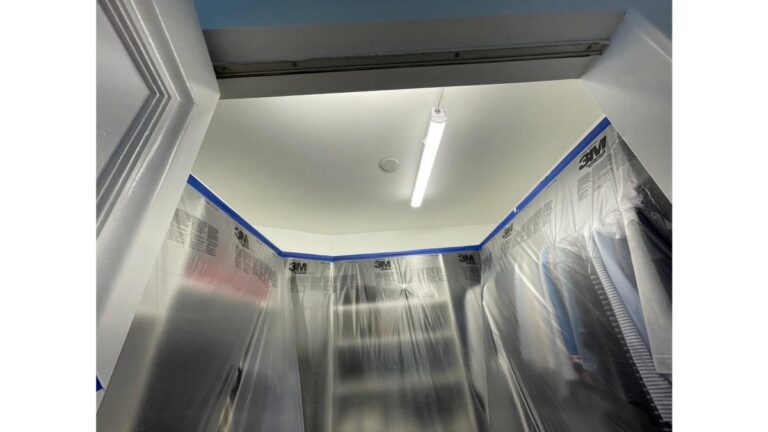
- Prep and protection: Moving and covering furniture, masking, patching, sanding, caulking, and spot-priming, the most variable and most often underestimated stage.
- Priming: Required on bare drywall, patched areas, stained substrates, glossy coatings, and fresh stucco or masonry.
- Finish coats: Two coats is standard; dramatic color changes, deep colors, and certain sheens can require a third.
Room-by-room duration ranges
The ranges below assume average ceiling heights, two finish coats, walls and ceilings only unless noted, and a room that is empty or nearly empty. Add time for heavy furniture, extensive patching, wallpaper removal, skim coating, or a full color change. Treat these as planning ranges, not promises.
| Space | Typical duration | What pushes it longer |
|---|---|---|
| Bedroom (walls and ceiling) | 1 to 2 days | Extensive patching, dark-to-light color change, popcorn ceiling removal |
| Bathroom | 1 to 2 days | Mildew staining, moisture-damaged drywall, tight access, fixture masking |
| Kitchen (walls and ceiling) | 2 to 3 days | Cabinet masking, grease residue, backsplash cut-ins, appliance access |
| Living or dining room | 2 to 3 days | Vaulted ceilings, tall walls, built-ins, trim and doors included |
| Hallway and stairwell | 1 to 2 days | Ladder work, high walls, railing masking |
| Trim, doors, and baseboards (whole home) | 2 to 4 days | Number of doors, sheen changes, brush versus spray application |
| Whole-home interior (3 bed / 2 bath) | 5 to 10 working days | Occupancy, furniture, repairs, number of colors |
| Exterior (single-family home) | 5 to 12 working days | Square footage, stucco repairs, waterproofing, weather |
Why surface condition moves the estimate more than square footage
Square footage tells you how much paint to buy. Surface condition tells you how long the job will take. A room with sound, previously painted walls may need only cleaning, spot patching, and two coats. The same room with failing paint, hairline cracking, water staining, or a skim coat requirement can add days before the first finish coat goes on.
- Peeling or blistering paint that must be scraped, sanded, and primed before recoating.
- Moisture staining that needs diagnosis first, painting over an active moisture source traps the problem.
- Bare drywall or fresh stucco that requires a dedicated primer for adhesion and alkalinity control.
How sheen and product choice affect the calendar
Product selection is a scheduling decision as much as an aesthetic one. Waterborne products generally offer faster recoat intervals than solvent-based alkyds, which matters when a room needs to be back in service quickly. Our interior painting services page outlines the prep, priming, and finish work involved in an interior job.
Residential painting can cover both interior and exterior work, so the timeline depends on which surfaces are included.
Preparing Your Home Before Painters Arrive: A Homeowner Checklist
Preparation is where many delays begin, so a little planning on your end keeps things moving. Before the crew arrives:
- Clear furniture and décor from walls and surfaces
- Remove wall art, outlet covers, and light switch plates
- Identify any cracks, stains, or moisture spots that need attention
Building an Interior Painting Project Timeline Day by Day
A realistic interior project follows a clear daily rhythm: protect, repair, prime, coat, cure, and clean. What most timelines leave out is the difference between the three drying milestones, which determines when you can walk on the floor, hang art, or move furniture back.
The three drying milestones homeowners confuse
- Dry to touch: The film has set enough that it will not transfer to a light touch. This is not a signal to move furniture against it.
- Recoat time: The window in which the next coat can be applied without lifting or wrinkling the previous one. Applying too early traps solvent or water and can cause blistering; applying too late may require scuff sanding.
- Full cure: The point at which the film reaches its final hardness and washability, which can take days to weeks. Wait through full cure before scrubbing or placing heavy items against a freshly painted wall.
A sample day-by-day sequence for a typical living area
The schedule below assumes an empty or nearly empty room, sound walls, two finish coats, and a crew of two to three painters. It is a planning sequence, not a contract.
- Day 1, Setup and repair: Move and cover furniture, protect floors, mask trim and openings, patch nail holes and cracks, caulk gaps, and sand repairs.
- Day 2, Prime and first coat: Spot-prime or full-prime patched and bare areas, then apply the first finish coat to ceilings and walls.
- Day 3, Second coat and trim: Apply the second finish coat to walls, then cut in and paint trim, doors, and baseboards.
How occupancy changes the sequence
If you are living in the home during the work, the sequence usually runs room by room rather than floor by floor, so you always have a usable space. That adds calendar days because the crew cannot batch prep and coating across the whole home at once, and furniture moves twice.
A few practical adjustments keep an occupied project on schedule:
- Consolidate belongings into one room that will be painted last.
- Keep pets and children out of the work zone during coating and cure.
- Confirm daily start and stop windows to plan around noise and access.
What a written timeline agreement should cover
A short written schedule protects both sides. Ask for it to include:
- Work hours and days, including any building or HOA restrictions on noise and access.
- Milestones by room or area, with expected start and finish for each.
- Recoat and cure windows for the products being used.
Your exact schedule will vary with room size, surface condition, occupancy, and how long each coat takes to dry. You can book a residential painting consultation online to discuss prep and scheduling for your home.
Exterior House Painting Timeline, Weather Delays, and Change Orders
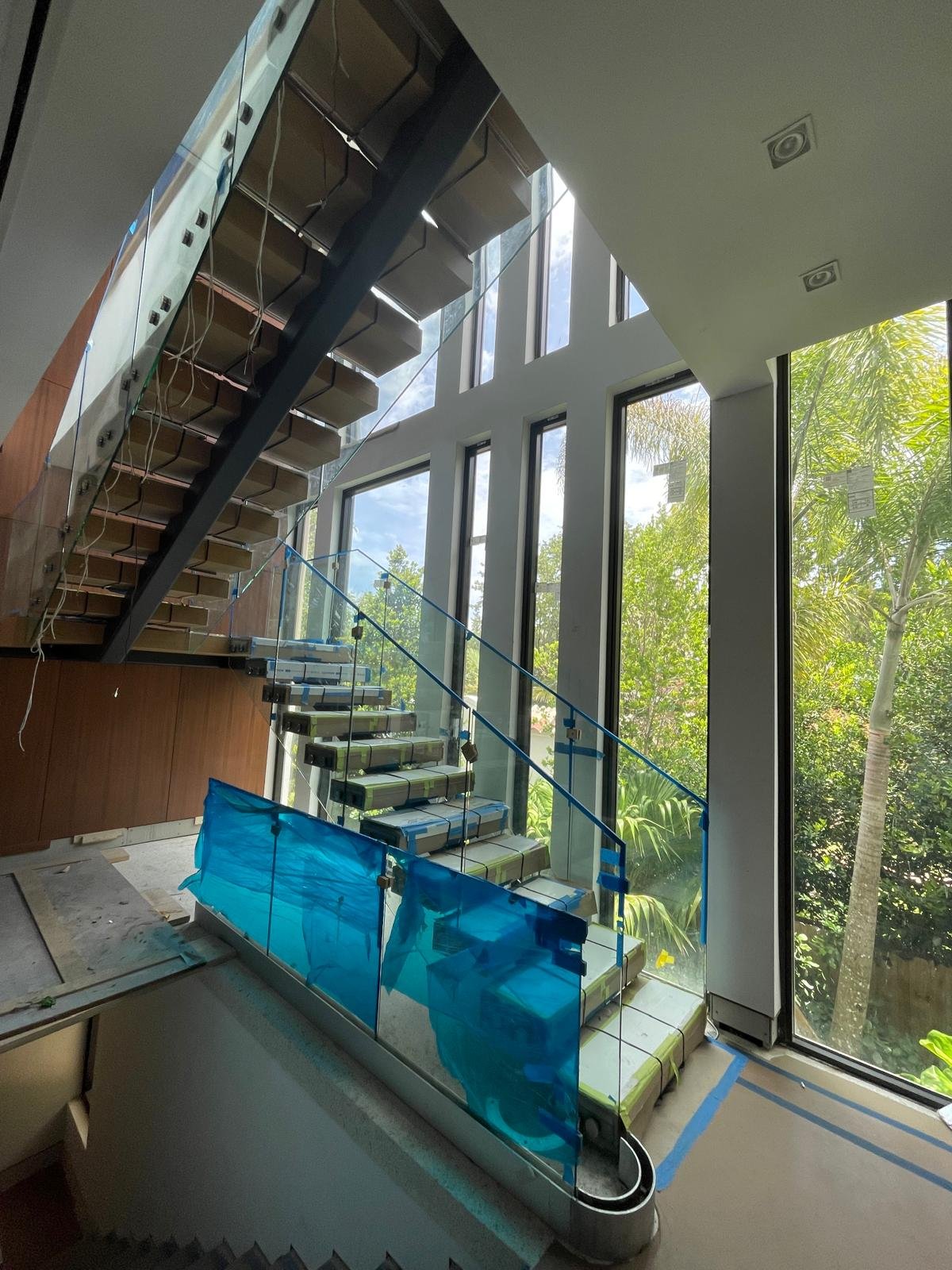
Exterior projects are more sensitive to weather than interior work. Our exterior painting services page explains the durable, weather-resistant finishes that shape these schedules.
Plan for possible delays:
- Ask how weather days will be handled and rescheduled
- Confirm that surfaces must be dry before painting begins
- Discuss how scope changes will affect the timeline
Scope changes, such as discovering rot or additional repairs, are common once work begins. Our guide to booking professional exterior house painting walks through each step from first contact to scheduling.
If you are ready to get started, our team can walk through your project and help you build a realistic schedule. Call (754) 287-6408 or visit https://detailspaintco.com to request a consultation.
Frequently Asked Questions
How long does a residential painting project usually take?
Most interior residential painting projects take a few days to about two weeks, depending on the number of rooms, surface condition, the number of coats, and how much preparation is needed. Exterior projects often run longer because weather and surface repairs control the pace. Ask your contractor for a written timeline that breaks the work into phases such as prep, priming, painting, and cleanup, and confirm what happens if the schedule slips.
How long should paint dry between coats?
Drying and recoat times depend on the specific product, temperature, humidity, and surface. Water-based paints typically become dry to the touch within a few hours, but the manufacturer’s data sheet sets the minimum recoat interval, and full cure takes considerably longer. Check the product label or Benjamin Moore technical data sheet for the exact times before scheduling the next coat.
How long after painting can a room be used?
A room is usually comfortable to use once the paint is dry to the touch, but furniture should wait until the finish has cured enough to resist marking and scuffing. Full cure can take several days to weeks depending on the product and conditions. Keep doors and windows ventilated, avoid heavy cleaning on fresh walls, and follow the manufacturer’s guidance for reinstalling furniture and wall decor.