
Table of Contents
- Why Paint Color Looks Different When Wet Versus Dry
- Does Paint Dry Darker or Lighter Than It Looks Wet
- How to Test Paint Colors on a Wall Before Committing
- Why Touch-Up Paint Looks Different on Existing Walls
- How Long Paint Takes to Dry and Show True Color
- Uneven Drying and Splotchy Paint Finishes
- Troubleshooting: When Paint Color Stays Wrong After Drying
- Frequently Asked Questions
Last Updated: October 16, 2026
Why Paint Color Looks Different When Wet Versus Dry
Paint color looks different dried than it appears when wet because water in wet paint bends light differently than dry paint does. Understanding this shift helps you choose colors with confidence.
When paint is wet, the water acts like a thin lens. Light scatters through the moisture, making colors appear darker, more saturated, and slightly different in tone. Pigments and binders are suspended in liquid, so they don’t sit flat on the surface yet, changing how light bounces back to your eye.
How wet paint reflects light differently
Wet paint has a glossy, reflective surface because of the water layer on top. Light bounces around inside the liquid film before reaching your eye, making colors look richer and deeper.
A wet surface has high gloss because water fills the microscopic valleys in the paint film, reflecting light evenly. Once the water evaporates, the texture changes and the paint often appears flatter.
What happens to pigment and binders during drying
As paint dries, water evaporates and binders harden. Pigment particles settle and bond together, turning the film solid and changing how light interacts with the surface.
During drying, pigment particles pack more tightly and sit closer to the surface. This denser arrangement can make colors appear lighter or more muted, depending on the paint type, pigment, and coat thickness.
Binders also change as they cure, some become more opaque, others more transparent. This is why a second coat of the same paint sometimes looks different from the first.
Does Paint Dry Darker or Lighter Than It Looks Wet
It depends on the paint type and pigment. Some paints dry darker, others lighter or more chalky. No single rule applies to all colors.
When paint dries darker
Darker colors often appear even darker once dry because pigment particles settle and concentrate as water leaves, intensifying the color. Black, navy blue, and deep reds typically dry darker than they look wet.
This effect is more noticeable with matte or flat finishes, whose textured surface scatters light. As the paint dries, the texture becomes more pronounced, making dark colors appear deeper.
The substrate matters too. Over a light wall or primer, dark paint may look slightly lighter than on a darker base, but once cured it usually settles into a richer, more saturated tone than the wet appearance suggested.
When paint dries lighter or appears dull
Light colors and whites often dry lighter or duller than expected, especially pastels and off-whites. Water makes them look vibrant and saturated when wet; once it evaporates, they can appear washed out or chalky.
This dull appearance is common with flat or matte finishes.
Glossy and satin finishes hold color better during drying because their smoother surface keeps pigment more visible as water leaves. Glossy paints often look closer to their wet color once dry than matte paints do.
How to Test Paint Colors on a Wall Before Committing
Testing paint on your actual wall is the only reliable way to see how a color will look when dry. Swatches don’t account for your lighting, your walls, or how the color appears at different times of day.
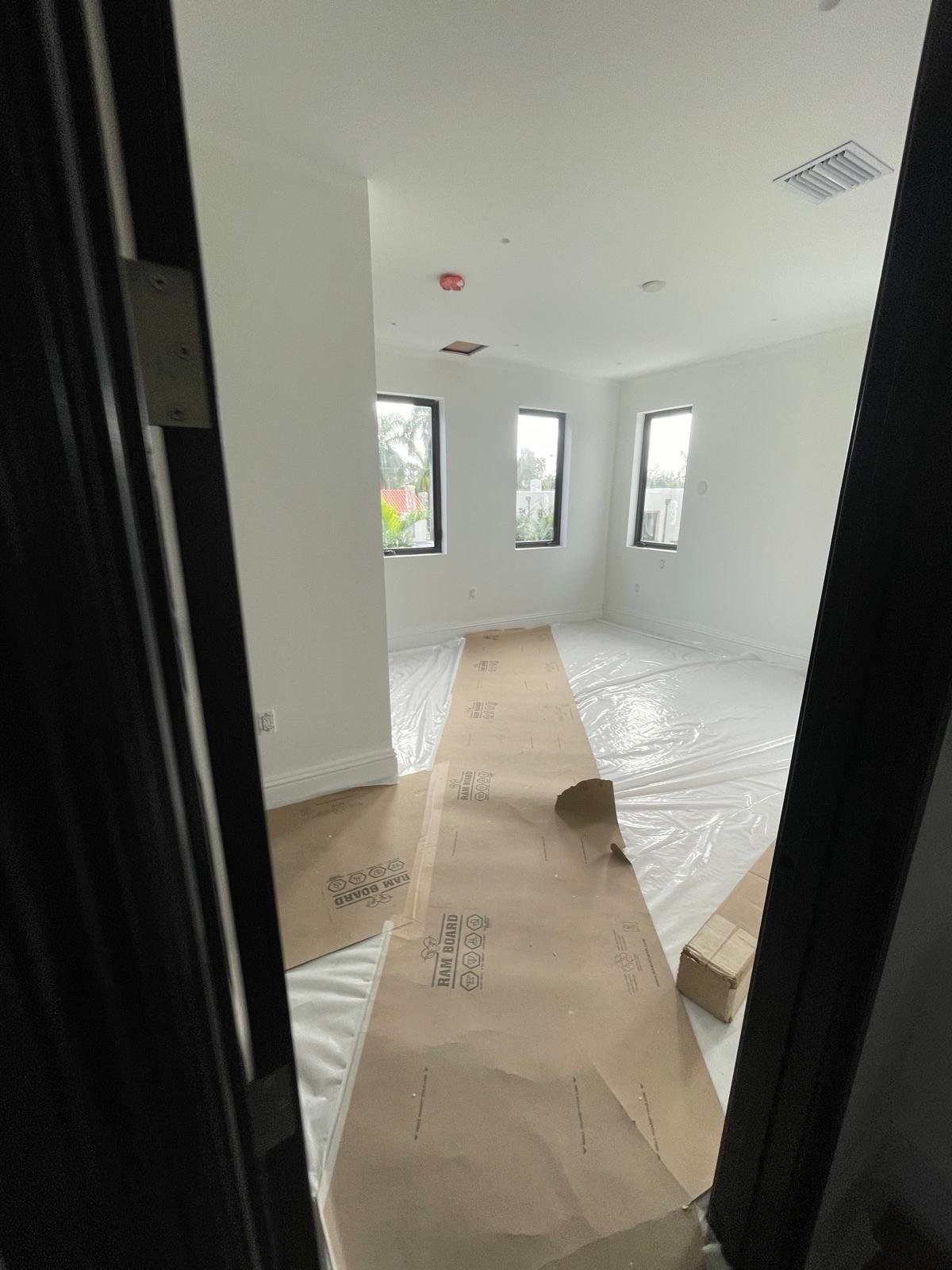
Infographic showing how a paint color looks different dried when tested under changing natural daylight.
Testing under your actual lighting conditions
Buy a sample size of your chosen color and paint a 2-foot by 2-foot section on the wall where you plan to use it. Apply primer if needed, then two coats with adequate drying time between them.
Lighting changes throughout the day, morning light is cool and blue-tinted, afternoon light warm and yellow-tinted, evening light dim and orange-tinted. The same color can look noticeably different under each.
Paint your test section on a wall that gets the light conditions you care about most.
Observing color changes over 24 to 48 hours
Don’t judge the color immediately. Most interior latex paint dries to the touch in 1 to 2 hours, but the color continues to shift for 24 to 48 hours as the water fully evaporates.
Check your test section in morning, afternoon, and evening light, plus under artificial lighting, to get a complete picture of how the color will perform in your space.
If the color looks wrong after 48 hours, paint over the test section with a different color and test again.
Why Touch-Up Paint Looks Different on Existing Walls
Touch-up paint often looks like a different color than the surrounding wall. The issue usually isn’t the paint itself, it’s the substrate underneath and how aged paint behaves.
Substrate and primer effects on final color
The surface you paint on affects the final color.
New drywall is very porous, so paint soaks in unevenly. A quality primer seals the surface and gives the paint a consistent base.
When you touch up an existing wall, you’re painting over old paint with a different texture and finish. The new paint may not adhere the same way or reflect light differently, creating a visible line.
The best fix is to paint the entire wall. If you must touch up, feather the edges by blending new paint into old with a brush for a gradual, less noticeable transition.
Aged paint versus fresh paint appearance
Paint ages over time, sunlight fades colors, dust settles, and the finish loses gloss. These changes make aged paint look different from fresh paint, even in the same color.
Repainting years later with the same color name, the new paint looks fresher and more vibrant than aged paint on trim or ceiling, same color, different appearance.
A complete repaint ensures uniform color and appearance, and gives you a chance to update the finish, say, satin instead of matte, or a more durable paint type.
How Long Paint Takes to Dry and Show True Color
Drying time varies by paint type, temperature, humidity, and application thickness. Understanding these factors helps you plan your project and know when the true color will emerge.
Drying time across different paint types
Latex dries faster than oil-based.
Oil-based paint dries much slower, 6 to 8 hours to the touch, 12 to 24 hours before a second coat, with true color emerging after several days of curing.
Specialty paints vary: primer dries in 1 to 2 hours, stain-blocking paints take longer, and textured or thick paints need more time than thin coats.
Finish matters too: matte dries faster than glossy because it has less binder, with satin and semi-gloss in between. Check your paint can for the manufacturer’s recommended times.
Environmental factors that speed up or slow drying
Temperature and humidity are the biggest factors. Paint dries fastest in warm, dry conditions, ideally 50 to 85 degrees Fahrenheit with 40 to 50 percent humidity.
High humidity slows drying dramatically because water in the air prevents water in the paint from evaporating.
Low humidity speeds drying but can leave brush marks, cause uneven application, or crack the paint as the surface dries faster than the layers below.
Air circulation helps: open windows or use fans to move air across the surface, preventing moisture buildup and speeding evaporation.
Uneven Drying and Splotchy Paint Finishes
Splotchy paint finishes are frustrating. Uneven drying creates darker and lighter areas on the same wall, usually from application technique, environmental conditions, or paint thickness.
Why humidity and temperature create patchy drying
Uneven humidity and temperature cause uneven drying.
High humidity in one area and low in another creates splotchy finishes, common in bathrooms where moisture varies between wet and dry zones.
Temperature variations cause patchy drying too, a warmer section dries faster and may look slightly different in color or sheen than a cooler one.
Control your environment: close windows and doors for consistent temperature and humidity, use fans to circulate air evenly, paint during stable weather, and avoid direct sunlight.
How paint thickness affects appearance during drying
Thick paint takes longer to dry than thin. A thick coat may still be wet underneath while the surface looks dry, creating a splotchy appearance.
Uneven application thickness causes problems too: extra paint dries darker and slower, thin paint dries faster and looks lighter, creating a streaky or blotchy finish.
The solution is consistent application: smooth, even brush strokes and thin, uniform coats. Two thin coats look better than one thick coat and dry more evenly.
Troubleshooting: When Paint Color Stays Wrong After Drying
Sometimes paint dries and the color is genuinely wrong, a lasting mismatch, not a temporary wet-to-dry shift. Before repainting, determine whether the problem is fixable or needs a new color.
Distinguishing temporary wet-to-dry changes from lasting mismatches
Wait 48 hours before deciding the color is wrong. Most shifts happen in this window; if the color looks acceptable after 48 hours, the shift was temporary and normal.
If it still looks wrong after 48 hours, check your lighting. The same paint looks different under different light.
Check the sheen. Matte looks duller than glossy; if you applied matte but expected glossy, that’s the issue. You can’t change the finish without repainting, but you’ll know what to choose next time.
Step-by-step decision tree for color correction
Step 1: Confirm the paint is fully dry. Wait 48 hours minimum; oil-based needs several days.
Step 2: View the paint in multiple lighting conditions. Check morning, afternoon, evening, and artificial light.
Step 3: Check if the substrate is affecting the color. Unpainted drywall, old paint, or dark primer can shift the final color, including color-blocking primer.
When you’re ready to repaint, Details Paint Co can help. Our team handles color consultation, surface preparation, and application with precision.
Choosing the right paint color requires patience and testing.
Frequently Asked Questions
Why does paint color look different when wet versus dry?
Wet paint reflects light differently than dry paint because water in the paint film scatters light in a way that makes colors appear more saturated and glossy. As the paint dries, water evaporates and the binders harden, changing how light reflects off the surface. This is especially noticeable with lighter colors and matte finishes. The pigment concentration and paint thickness also affect how much the color shifts during drying.
Does paint dry darker or lighter than when it looks wet?
Paint can dry either darker or lighter depending on the color, paint type, and sheen level. Dark colors and bold hues often appear darker when dry because the matte finish reflects less light. Light colors and whites may appear lighter or more dull as glossy wet shine fades to a flat finish. The best way to predict the final result is to test the paint on a sample board or wall section and observe it for 24 to 48 hours under your actual lighting conditions.
How long does it take for paint to dry and show its true color?
Most latex paints dry to the touch in 1 to 2 hours, but the true color doesn’t fully emerge until 24 to 48 hours after application. Oil-based paints take longer, sometimes 6 to 8 hours or more. Temperature, humidity, and ventilation speed up or slow drying. Cooler, humid conditions extend drying time, while warm, dry air accelerates it. Always wait at least 24 hours before deciding whether the color matches your expectations.
Why does my touch-up paint look darker or different on the wall?
Touch-up paint often looks different because the existing wall has aged, faded, or been exposed to dust and light differently than the new paint. The substrate beneath (drywall, primer, or previous paint color) also affects how new paint appears. If the original wall wasn’t primed properly or if the base coat color was different, the new paint will look mismatched even if it’s the exact same color. Testing the touch-up on an inconspicuous area first and allowing full drying time helps prevent this issue.