
Last Updated: November 16, 2026
Quick Summary
Interior painting lasts longest when the surface underneath is sound, clean and properly primed. Most coating failures start with inadequate preparation, so walls need cleaning, patching, sanding and priming where the substrate calls for it. Sheen should also be chosen room by room, since satin and semi-gloss hold up better in kitchens, baths and busy hallways.
- Walls need to be cleaned, patched, sanded and primed where the substrate calls for it.
- Most coating failures start before the first stroke of paint.
- Flat finishes hide surface flaws well but resist scrubbing poorly.
- Satin and semi-gloss hold up better in kitchens, baths and high-traffic hallways.
- Plan extra time for drying and ventilation, and expect furniture to be moved.
Table of Contents
- What Good Interior Painting Preparation Looks Like
- Choosing the Right Interior Paint Sheen Guide for Each Room
- How to Plan Your Interior Painting Project Timeline and Choose a Contractor
- Frequently Asked Questions
What Good Interior Painting Preparation Looks Like
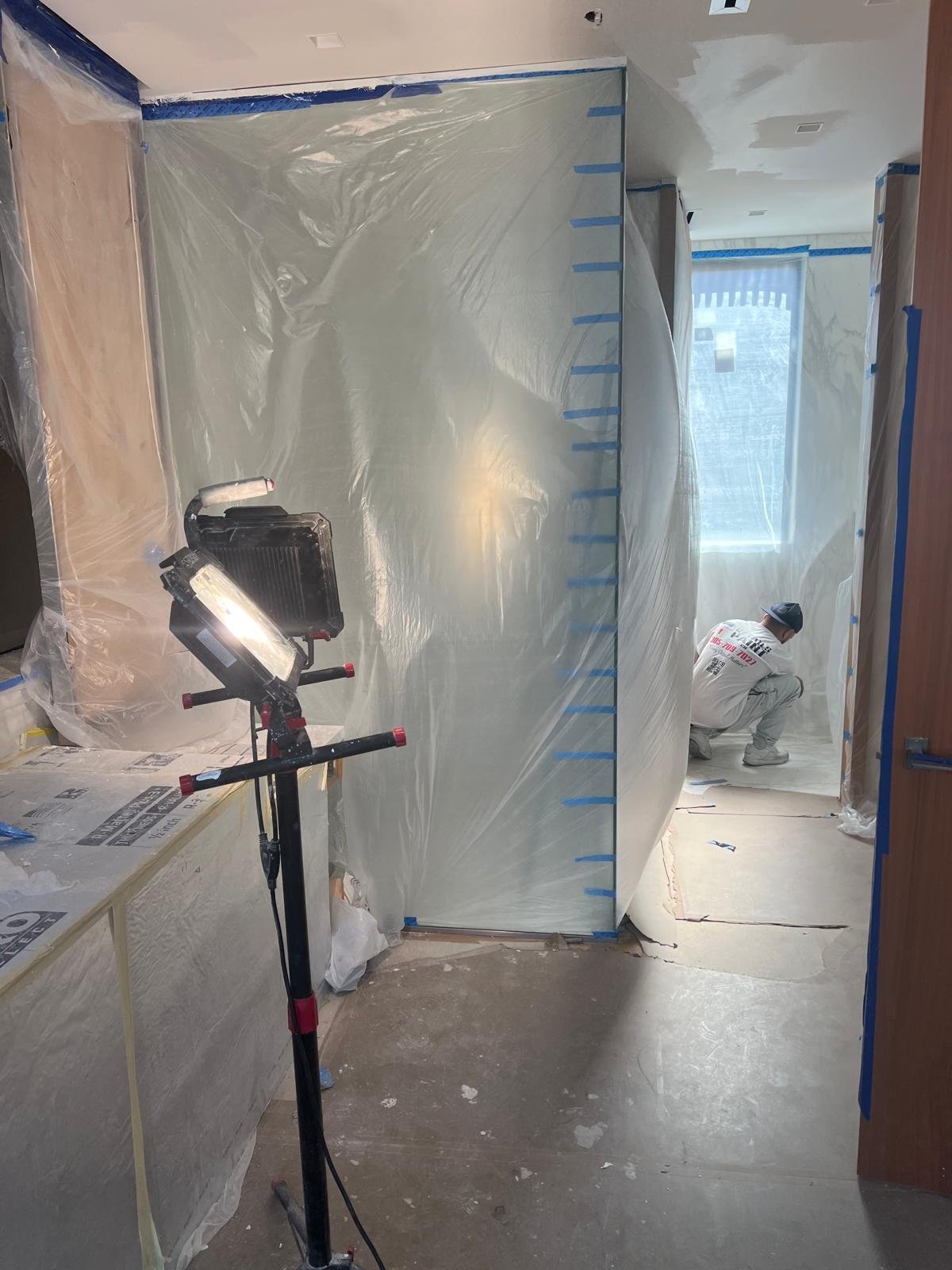
Interior painting lasts longest when the surface underneath is sound, clean and properly primed. At Details Paint Co., we treat preparation as the foundation of every job, because most coating failures start before the first stroke of paint. Walls need to be cleaned, patched, sanded and primed where the substrate calls for it. Our Benjamin Moore guidance on surface preparation process follows the same logic. For a step-by-step look at prep work, read our anchor words guide. Our book interior painting help page outlines the full scope of our work on walls, ceilings and trim.
Choosing the Right Interior Paint Sheen Guide for Each Room
Sheen affects both appearance and cleanability. Flat finishes hide surface flaws well but resist scrubbing poorly, while satin and semi-gloss hold up better in kitchens, baths and high-traffic hallways. Before you commit to a finish, see our compare paint finishes for busy walls breakdown, and for help picking colors and sheens together, our color consultation guide walks through the decision.
How to Plan Your Interior Painting Project Timeline and Choose a Contractor
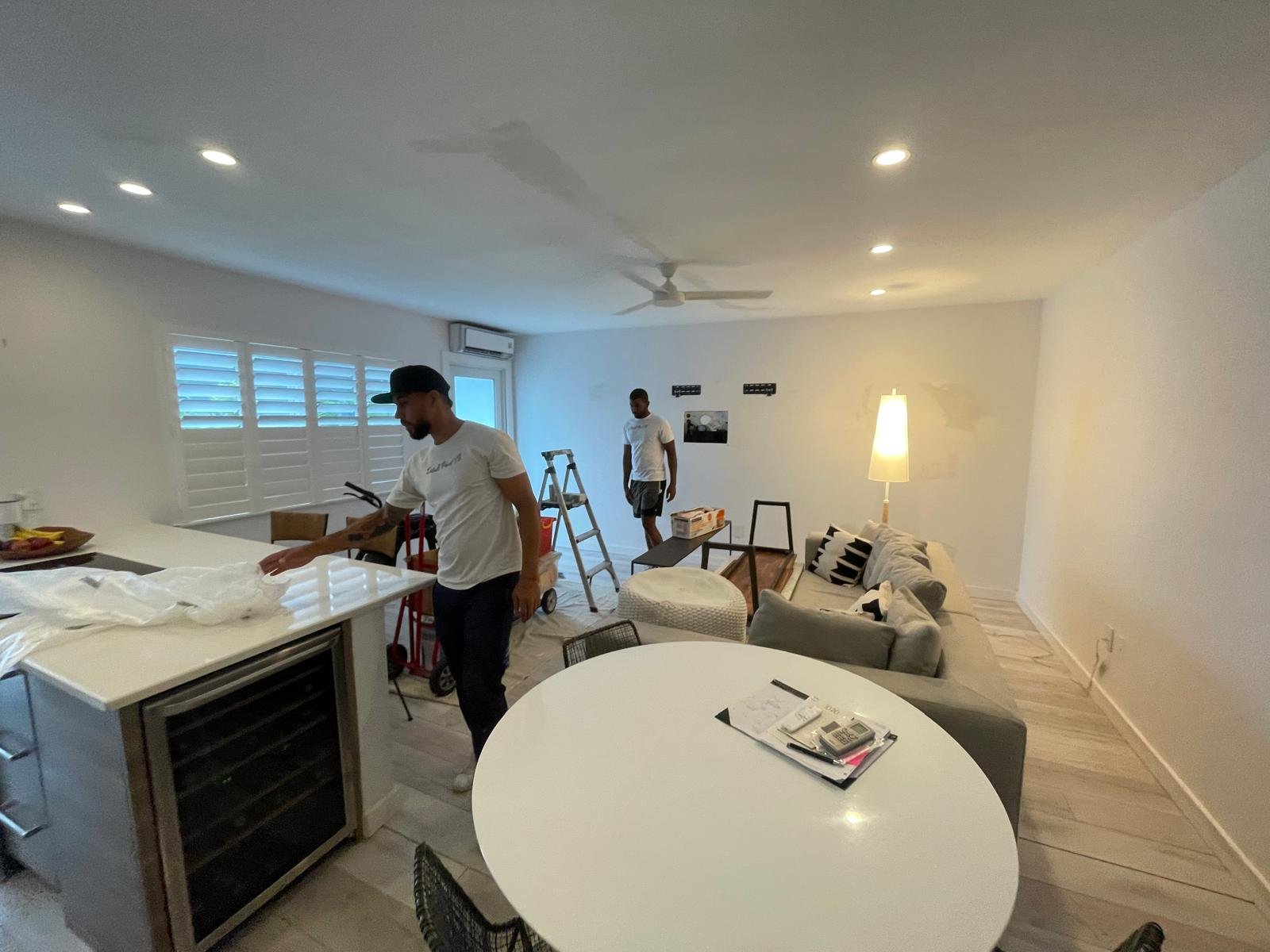
Plan extra time for drying and ventilation, and expect furniture to be moved and rooms to be out of use for part of each day. When comparing contractors, ask for a written scope, confirm licensing and insurance, and review how they protect your property. When you are ready to compare options, request a free estimate and see what the quoting process involves.
Ready to talk through your project? Call Details Paint Co. at (754) 287-6408 or visit https://detailspaintco.com.
Frequently Asked Questions
What should I look for when hiring an interior painter in Weston?
Start by asking for proof of current licensing and liability insurance, and confirm both before work begins. Ask how the crew protects floors, furniture, and fixtures, and whether they handle patching and priming or only the topcoat. A written estimate that lists surface preparation, the specific product, and the number of coats is a good sign. Ask for references or reviews you can check yourself, and compare written bids on scope rather than price alone.
Which paint sheen is best for each room?
Higher-sheen finishes such as satin and semi-gloss are easier to wipe clean, so they are often chosen for kitchens, bathrooms, trim, and doors. Flat and matte finishes hide surface imperfections better and suit ceilings and low-traffic living areas. Eggshell is a common middle ground for hallways and bedrooms. Sheen performance depends on the specific product and surface, so check the manufacturer’s data sheet before you buy.
How do I prepare my home for professional interior painting?
Remove wall decor, move furniture to the center of each room, and clear the space around the walls being painted. Empty closets on exterior walls if possible, and cover electronics and small items. Let your painter know about any cracks, stains, or areas that need repair, since patching and priming are part of good preparation. Plan for the household to be out of the work area during the painting days, and ask about ventilation and when rooms can be used again.